Innovative Community Participation NDIS Capacity Building

Innovative Community Participation NDIS in Perth
What is Innovative Community Participation?
NDIS innovative community participation is funded under NDIS capacity building support, specifically within capacity building increased social and community participation.

Who Is It For?
Innovative Community Participation NDIS is ideal for participants in Perth and WA who want to build confidence and develop essential life skills.
It is particularly suitable for individuals who:
- Need social skills training
- Want independence-building supports
- Are preparing for employment or volunteering
- Experience social anxiety or isolation
- Require structured environments to learn new skills
Participants with intellectual, developmental, neurological, or psychosocial disabilities often benefit from these structured capacity building supports NDIS programs.
Benefits of Innovative Community Participation
Participants can:
- Improve communication and relationship skills
- Gain greater independence in daily activities
- Build confidence in social environments
- Reduce long-term reliance on Core supports
- Increase readiness for employment or volunteering
- Enhance overall wellbeing
Because this service focuses on capacity building, it supports sustainable progress rather than temporary assistance.
Services Provided through Innovative Community Participation
- Joining a social group
- Joining a persona development course
- Watching movies at a concert
- Joining a sports club
- Employment preparation
- Playing games
- Volunteering
- Going on holiday
- Visiting a local library
- Swimming
What Does Innovative Community Participation Include?
Our Perth-based NDIS capacity building supports examples are structured, outcome-focused, and tailored to participant goals.
Social & Communication Development
We deliver guided social skills training sessions to improve communication, group interaction, and confidence in social settings. Participants learn how to engage appropriately, build friendships, and participate meaningfully in their community.
Employment & Volunteering Preparation
Our structured skill development programs in Perth help participants prepare for employment by building workplace confidence, communication skills, and interview readiness.
Life Skills & Daily Living Development
Under goals aligned with capacity building improved daily living, we support participants with budgeting, planning routines, public transport training, and independent decision-making. These skills directly improve everyday functioning.
Structured Community Programs
We offer safe and inclusive structured community programs including mentoring sessions, group workshops, and guided peer learning. These sessions are designed to strengthen independence in real-world settings.
Eligibility for NDIS Innovative Community Participation Services
You may be eligible for NDIS innovative community participation if your NDIS plan includes funding under:
- Capacity building increased social and community participation
- NDIS capacity building support
- Related goals linked to independence or skill development
Participants in Perth and WA can contact Achieve Disability Care Australia for a free plan review. We help you identify whether your funding aligns with capacity building supports NDIS.
How Does the NDIS Work Process?
Understanding how NDIS capacity building works can help you maximise your funding.
Your NDIS plan includes funding under capacity building supports NDIS.
We create tailored skill development programs aligned with your plan objectives.
You attend guided sessions, workshops, or mentoring programs in Perth.
We track improvements to ensure your NDIS capacity building supports examples deliver measurable outcomes.
What Makes Innovative Community Participation So Important?
In Perth’s growing and diverse community, independence is essential for meaningful participation.
Why Choose Achieve Disability Care
Achieve Disability Care Australia is a trusted provider of NDIS capacity building support in Perth and across WA.
We offer:
- Person-centred and goal-driven planning
- Experienced and qualified facilitators
- Safe, inclusive learning environments
- Flexible program options
- Measurable progress tracking
- Strong local community connections in Perth
Our commitment to quality ensures that every Innovative Community Participation NDIS program is structured, practical, and aligned with participant goals.


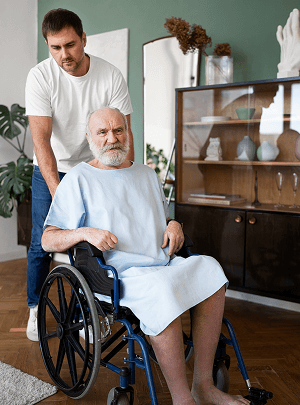
Build Skills and Confidence with the Right Support
Our Perth-based team provides structured NDIS capacity building programs that help participants develop independence, social skills, and community confidence.
The Advantage of Innovative Community Participation
After a month or so of joining us, you will be able to experience the change and figure out the benefits it brings to your life. The main advantages are for your physical and mental health, such as
- Self-awareness and self-care
- Emotional awareness and self-regulation
- An increase in confidence and independence
- Awareness of general interests, skill sets, and passions
- Adaptive social competency
- Maintaining personal well-being
- Capacity building
These advantages will be very helpful in your life at every stage. You will view life differently because the benefits will help you understand yourself better. That understanding of yourself will help you convey your message to others. which will result in better communication skills, which can affect your overall mood. A good mood equals productivity, and who does not mind more productivity?
Our Service
Assist Personal Activities
Assist Travel Transport
NDIS Disability Employment Services
Community Participation
Recreational Activities
Development & Support Life Skills
Accessing Community Participation Benefits
You can contact Achieve Disability Care to access the benefits of Community Participation and regain control of your life. Our team is here to guide you through every step and ensure you receive the support that best fits your needs.
REQUEST FREE CONSULTATION
Frequently Asked Questions
What is Innovative Community Participation under the NDIS?
Innovative Community Participation NDIS is a capacity building support that helps participants develop skills to engage in social, recreational, and community activities. It focuses on building confidence, independence, and meaningful community connections.
Who can access NDIS Innovative Community Participation supports?
Participants can access NDIS innovative community participation if their plan includes capacity building supports NDIS, particularly under increased social and community participation. Eligibility depends on individual goals outlined in the NDIS plan.
How does Innovative Community Participation support capacity building?
This support strengthens skills such as communication, social interaction, decision-making, and daily living. It aligns with NDIS capacity building support and helps participants work toward long-term independence.
What activities are included in Innovative Community Participation NDIS?
Activities may include group programs, community outings, skill-based workshops, volunteering opportunities, and social skill development. These are practical NDIS capacity building supports examples designed around participant goals.
How is Innovative Community Participation different from social and community participation NDIS?
While both support community involvement, innovative community participation has a stronger focus on skill development and learning outcomes. It falls under capacity building increased social and community participation, rather than purely recreational activities.
Can Innovative Community Participation help with improved daily living skills?
Yes, this support contributes to capacity building improved daily living by helping participants develop routines, independence, and confidence to participate in everyday community life.
How can I access Innovative Community Participation supports in Perth, WA?
You can access these supports by ensuring your NDIS plan includes relevant capacity building NDIS examples and contacting Achieve Disability Care. Our Perth-based team will help tailor a program that aligns with your goals and funding.