NDIS Short Term Accommodation (STA) in Perth
Access safe and flexible NDIS respite short-term accommodation designed to support your needs. Speak with trusted NDIS respite providers today.
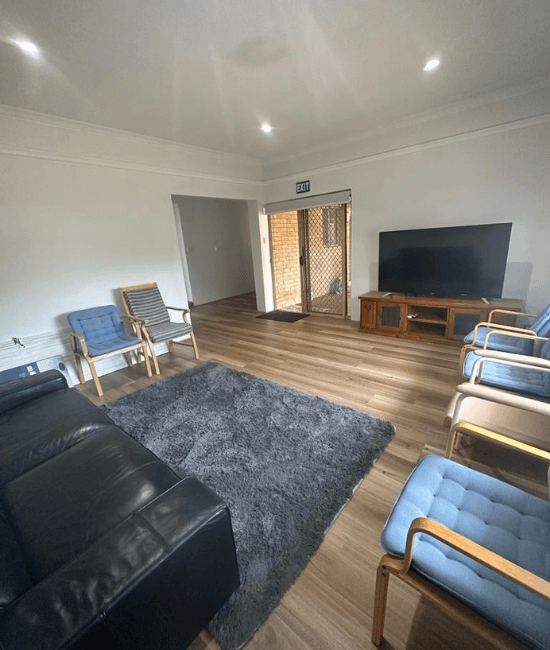
What Is NDIS Respite Accommodation?
NDIS respite care is funded support that provides participants with a temporary, safe place to stay away from their usual home. It is planned, purposeful, and participant-centred. It is not emergency housing, and it is not a hospital admission.
Under the NDIS, this support is formally called NDIS STA (short-term accommodation). The funding sits within the Core Supports budget in a participant’s plan, which makes it one of the more flexible categories to use. Participants can access up to 28 days per plan year, either in a single stay or split across shorter visits throughout the year.
Respite accommodation benefits two people at once. Participants receive quality care in a supported setting, and their carers and family members get the time and space they need to recover, attend to other responsibilities, or simply rest. Both outcomes matter equally.
STA is usually funded when:
STA is not automatically included in every NDIS plan. The NDIS funds it when it is considered reasonable and necessary given the participant’s situation and goals.
Disability short-term accommodation is typically funded when:
- A participant’s primary carer needs a break or is temporarily unavailable.
- You’d benefit from time in a supported place to build new skills or try new things.
- A change in living circumstances means temporary care is required.
- The participant’s support needs cannot be safely met at home for a short period.
If STA isn’t in your plan yet, ask for it at your next plan review. Your planner, LAC, or support coordinator can help you make your case. Bring documentation that reflects your carer’s needs and your daily support requirements.
Plan-managed and self-managed participants can access STA accommodation through both registered and unregistered providers, depending on how their plan is managed.
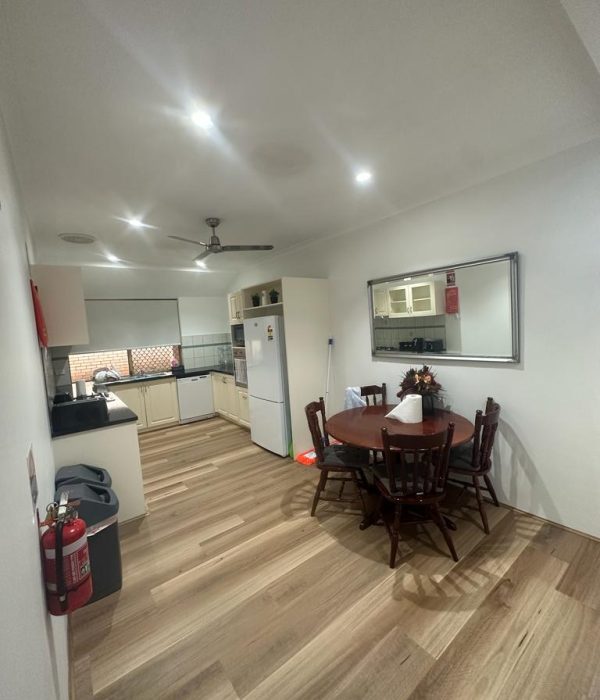
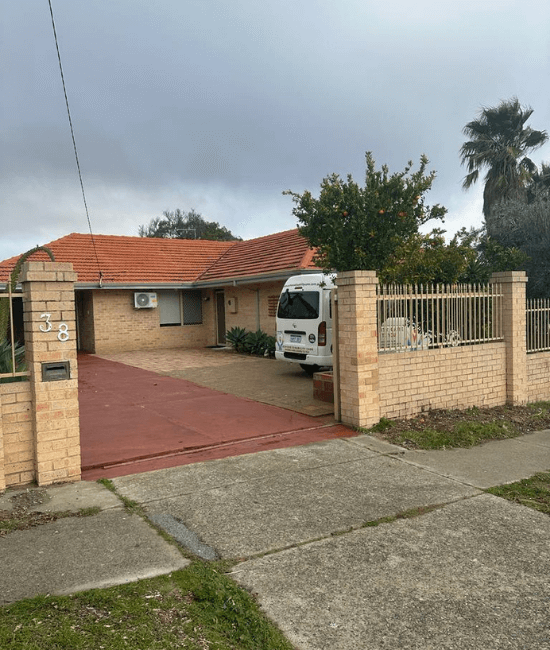
What Does NDIS Respite Care Include?
STA covers a lot in one simple rate. You don’t have to pay for each support separately. NDIS respite services through a registered provider typically include:
- Accommodation: A safe, accessible place to stay for the full duration of the booking.
- Personal care: Hands-on assistance with daily tasks such as showering, dressing, and medication prompts.
- Meals: Nutritious meals prepared and served throughout the stay.
- Activities: Outings and social activities matched to what you enjoy.
- Around-the-clock support: Staff available day and night to assist when needed.
STA housing NDIS funding covers all of this under one rate. There is no need to split support across multiple line items or manage separate bookings. It is a straightforward, all-inclusive model that works well for participants and families alike.
A quality provider will ensure the experience feels positive and purposeful from the moment a participant arrives.
STA v/s MTA
Not sure if STA is what you need? Here’s the one thing people often confuse it with.
Short-term accommodation and medium-term accommodation are not the same thing, though they’re often confused.
NDIS medium-term accommodation (MTA) is designed for participants who need a temporary place to live while waiting for their long-term housing solution to become available. This commonly applies when a participant is leaving hospital, waiting for a Specialist Disability Accommodation (SDA) property to be ready, or navigating a transition between living arrangements.
MTA funding covers up to 90 days. It’s funded under capital supports in the participant’s plan, not core supports like STA. The two budgets serve entirely different purposes.
MTA is not respite. It does not provide a break for carers. It fills a housing gap during a transition period. If you’re unsure whether STA or MTA applies to your situation, a support coordinator is your best starting point.

How to Get Respite Care Through Your NDIS Plan
The process is more straightforward than most people assume.
Review your current NDIS plan for STA funding. If it is listed under Core Supports, you can book directly with a registered provider. If it is not, note it for your next plan review.
Registered providers meet strict safety and quality standards. Always check a provider is registered before you book. Achieve Disability Care is a registered provider operating across Perth.
Contact the provider before committing to a booking. A good provider asks about your routine, your support needs, and what you want from your stay. This helps them get it right.
The provider manages the booking and, if needed, coordinates directly with your support coordinator or plan manager. Keep a record of all communications and booking confirmations.
Short-term respite care in Perth is available year-round. Booking ahead gives you better access to preferred dates and ensures your chosen provider has capacity when you need it most.

Benefits of NDIS Respite Care Support?
Why Choose Achieve Disability Care
Achieve Disability Care is a Perth-based registered NDIS respite provider built around one clear commitment: participant-first support. Every booking is shaped by the individual, not by a standard template.
Here is what that looks like in practice:
- Personalised care plans: We learn your routine, your preferences, and your goals before your stay begins. Nothing is assumed.
- Experienced and respectful staff: Our support workers are trained to deliver consistent care with dignity across all daily living tasks.
- Accessible and welcoming environments: Our accommodation is designed to give participants comfort, safety, and genuine ease throughout their stay.
- Straightforward coordination: We work directly with support coordinators and plan managers to keep the booking process simple and clear for families.
- Local Perth knowledge: As a local provider, we know the community, the nearby services, and the options available to Perth participants specifically.
Respite should feel like a positive and considered choice. We work to make sure every participant finishes their stay feeling cared for, confident, and ready for what comes next.
Book NDIS Short-Term Accommodation in Perth
Achieve Disability Care is ready to help you plan a stay that works for your situation. Contact our team today to check availability, discuss your support needs, and take the next step with confidence.
Accessing Community Participation Benefits
Frequently Asked Questions
What is NDIS respite or short-term accommodation (STA)?
NDIS respite accommodation, also known as NDIS short-term accommodation (NDIS STA), provides temporary support and housing for participants while giving families and carers a short break. It includes personal care, meals, activities, and overnight support in a safe environment.
Who is eligible for NDIS short-term accommodation in Perth?
Participants with approved funding for NDIS short-term accommodation or respite care in their NDIS plan may be eligible. Eligibility depends on individual goals, support needs, and how STA helps improve independence or wellbeing.
What is included in STA accommodation under the NDIS?
How is NDIS respite care different from medium-term accommodation (MTA)?
STA gives you up to 28 days a year, in stays of up to 14 days at a time. MTA is for longer stays, up to 90 days, while you wait for permanent housing.
Can I choose my NDIS respite provider in Perth?
Is NDIS respite accommodation suitable for all disabilities?
Yes, disability short-term accommodation is designed to support a wide range of disabilities. Supports are personalised to ensure safety, comfort, and meaningful participation during the stay.