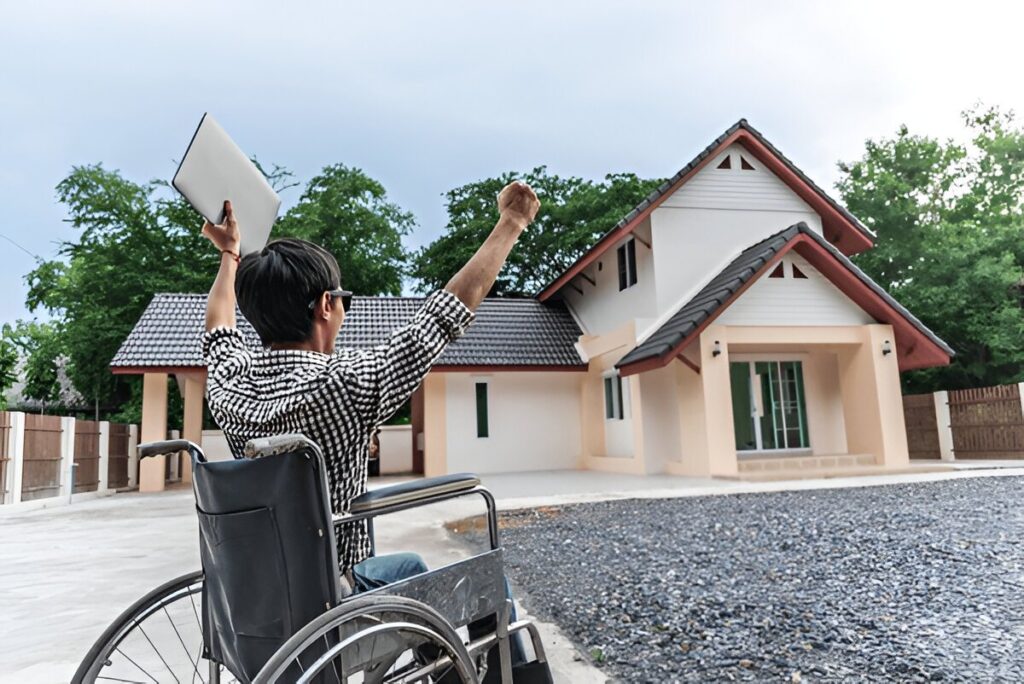
Finding the right home is a major part of living safely, independently, and with confidence. NDIS accommodation provides eligible participants with housing-related supports that align with their disability needs, daily routines, and long-term goals.
What is NDIS accommodation?
NDIS accommodation refers to home and living supports funded by the NDIS to help participants live as independently as possible. These supports are designed to assist with daily life, accessibility, supervision, and the delivery of disability-related care. The NDIS generally funds supports, not rent or property ownership.
In simple terms, NDIS accommodation may help with:
- Daily living support.
- Safe and accessible housing.
- Short-term, medium-term, or long-term living arrangements.
The right option depends on your disability support needs, living goals, and the evidence provided during planning.
Benefits of NDIS shared living arrangements
NDIS accommodation can improve quality of life by creating a living environment that is safer, more stable, and better matched to a participant’s needs. In particular, understanding the benefits of NDIS shared living arrangements can help participants choose a setup that balances independence with social connection and structured support.
Key benefits include:
- Increased independence and choice.
- Safer and more accessible living environments.
- Personalised daily support.
- Better community participation.
- Reduced stress for families and carers.
- Support aligned with NDIS goals.
For many participants, the biggest benefit is not just the home itself, but the right support structure around it.
How the NDIS helps with accommodation
The NDIS funds disability-related supports connected to accommodation, rather than paying for the property itself. This can include personal care, supervision, assistance with meals, and support with daily tasks. In shared setups, these supports are often delivered more efficiently, reinforcing the benefits of NDIS shared living arrangements.
The NDIS may fund:
- Personal care and daily living assistance.
- On-site or shared support staff.
- Assistive technology and home modifications.
- Specialist housing supports, where eligible.
Funding decisions are based on reasonable and necessary supports and the participant’s individual situation.
Eligibility for NDIS accommodation
Eligibility for NDIS accommodation depends on how a participant’s disability affects everyday living and what supports are required to live safely. Participants considering shared housing should demonstrate how the benefits of NDIS shared living arrangements align with their goals and support needs.
General eligibility indicators include:
- Being an NDIS participant.
- Having a disability that significantly affects daily living.
- Requiring ongoing support to live safely.
- Having accommodation supports that align with your NDIS goals.
Evidence from health professionals, support coordinators, or other relevant providers can help support your request during planning.
What NDIS accommodation does not cover
NDIS accommodation funding does not cover ordinary living costs such as rent, mortgage repayments, groceries, utilities, or household furniture. These are still the participant’s responsibility.
Not included:
- Rent or mortgage payments.
- Utility bills such as electricity, water, or internet.
- Groceries and personal expenses.
- General household furniture.
The NDIS focuses on disability-related supports only, so it does not replace standard housing or everyday living expenses.
Types of NDIS accommodation
The NDIS home and living system includes several support models, each suited to different needs and levels of support. Some are designed for daily living support, while others are for temporary or specialist housing needs.
Supported Independent Living (SIL)
Supported Independent Living is help or supervision with daily tasks that help a participant live as independently as possible while building skills. SIL is most commonly used in shared living arrangements, but it can also apply in other settings depending on support needs.
SIL may suit participants who need:
- Regular daily assistance.
- Support with personal care or cooking.
- Ongoing help throughout the day, including overnight support.
SIL funding covers support, not rent or everyday costs.
Individualised Living Options (ILO)
Individualised Living Options let participants choose the home they live in and arrange supports in a way that best suits them. ILO is more flexible than traditional shared living and may suit someone living alone, with family, or with a host arrangement.
ILO may suit participants who want:
- A more tailored living arrangement.
- Support that is flexible and personalised.
- Greater independence in a chosen home environment.
Short-Term Accommodation (STA)
Short-Term Accommodation provides temporary housing and support for a short period, often used as respite. It can help when usual carers are unavailable, when a participant wants a short break, or when they want to try something new in a supported setting.
STA may suit participants who need:
- A short stay away from their usual home.
- Respite for carers or family members.
- Temporary support with care, meals, and activities.
Medium-Term Accommodation (MTA)
Medium-Term Accommodation gives participants somewhere to live while waiting for a long-term housing solution. The NDIS usually funds it for up to 90 days, and it is generally used when disability-related supports are in place, but permanent housing is still being arranged.
MTA may suit participants who are:
- Transitioning between homes.
- Leaving the hospital or another care setting.
- Waiting for permanent housing to become available.
Specialist Disability Accommodation (SDA)
Specialist Disability Accommodation is housing designed for people with extreme functional impairment or very high support needs. SDA homes have accessible features that make it easier and safer to live independently and receive support.
SDA may suit participants who need:
- Purpose-built accessible housing.
- Very high levels of support.
- A home that enables better delivery of other disability supports.
SDA funding covers the home or building, not daily care or support services.
How to apply for NDIS accommodation
To request accommodation supports, participants should raise their home and living goals during their NDIS planning conversation and provide supporting evidence. The NDIA will then assess whether the support is reasonable and necessary based on the participant’s situation and needs.
Step-by-step process:
- Confirm your NDIS eligibility.
- Discuss your accommodation goals during planning.
- Provide assessments and supporting reports.
- Request the relevant home and living support.
- Choose a suitable provider if approved.
- Finalise your support arrangement.
If you are unsure which accommodation type fits best, a provider or support coordinator can help you compare options and prepare the right evidence.
Which accommodation option is right for you?
The best option depends on your support needs, independence goals, and housing situation. SIL is often best for daily support, SDA for high physical or complex support needs, ILO for flexible living, STA for short breaks, and MTA for temporary transitional housing.
A simple rule of thumb:
- Choose SIL if you need daily help at home.
- Choose SDA if you need specialist accessible housing.
- Choose ILO if you want flexible support in a chosen home.
- Choose STA if you need short-term respite.
- Choose MTA if you need temporary housing while waiting for a longer-term solution.
Conclusion
NDIS accommodation plays a vital role in helping people with disabilities live safely, independently, and with confidence. With flexible options such as supported independent living, NDIS short-term accommodation, and NDIS housing through SDA, participants can access solutions that truly match their needs and goals.
To explore how accommodation connects with broader supports and care options, read our complete guide to NDIS disability services in Australia covering support categories, community participation, and long-term care planning.
At Achieve Disability Care we are committed to guiding participants and families toward the right accommodation choices, supporting long-term stability, independence, and a better quality of life.
Get the Right NDIS Accommodation Support Today
Finding suitable accommodation can be complex, but you don’t have to do it alone. Our experienced team helps you assess eligibility, explore options, and secure the right NDIS accommodation tailored to your goals.